
Coated vs. Woven Fabrics: Choosing the Right Upholstery for Healthcare Furniture
May, 7 2026 | 3 min read
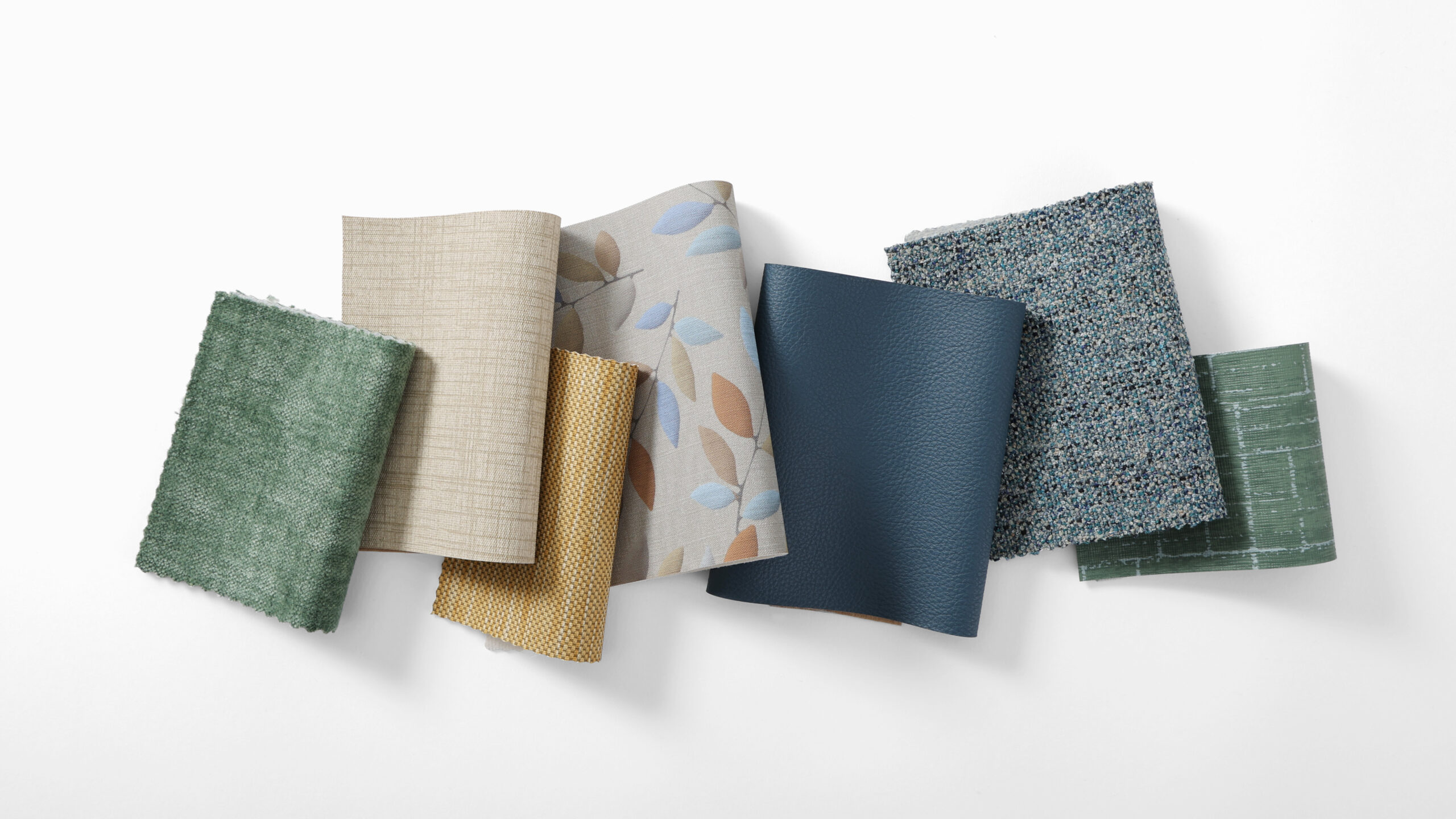
Healthcare environments demand upholstery that balances durability, cleanability, and thoughtful design. From exam rooms to waiting areas, furniture must withstand daily use and rigorous cleaning protocols while still enhancing spaces that feel welcoming to patients and visitors.
When specifying textiles for medical office furniture, two commonly used options are coated and woven performance upholstery fabrics. Both play an important role in healthcare interiors, offering unique strengths that support the environment’s functional needs.
Rather than being a strict “either-or” decision, the choice often reflects how and where the furniture will be used. Clinical areas may require surfaces designed for frequent disinfecting, while public-facing spaces often benefit from textiles that introduce warmth, texture, and visual comfort.
As healthcare design continues to evolve, designers are increasingly layering both coated and woven upholstery throughout a space to combine performance-driven materials with hospitality-inspired aesthetics, creating environments that support both operational needs and the patient experience.
UNDERSTANDING COATED UPHOLSTERY IN HEALTHCARE FURNITURE
Coated fabrics have long been a staple in healthcare environments due to their non-porous surfaces and durability. These fabrics provide a protective layer that helps prevent liquids and contaminants from penetrating the upholstery surface. This makes them especially useful in areas where frequent cleaning and disinfection are required, such as exam or treatment rooms.
Coated Upholstery features include:
• Non-porous surface helps prevent fluid penetration
• Easily cleaned and durable with disinfectants and cleaning cycles
• Resistant to stains, ink transfer, and spills
In these environments, furniture must withstand regular disinfecting with hospital-grade cleaners, making coated upholstery a reliable solution.

ALL SEASONS
Purple Iris
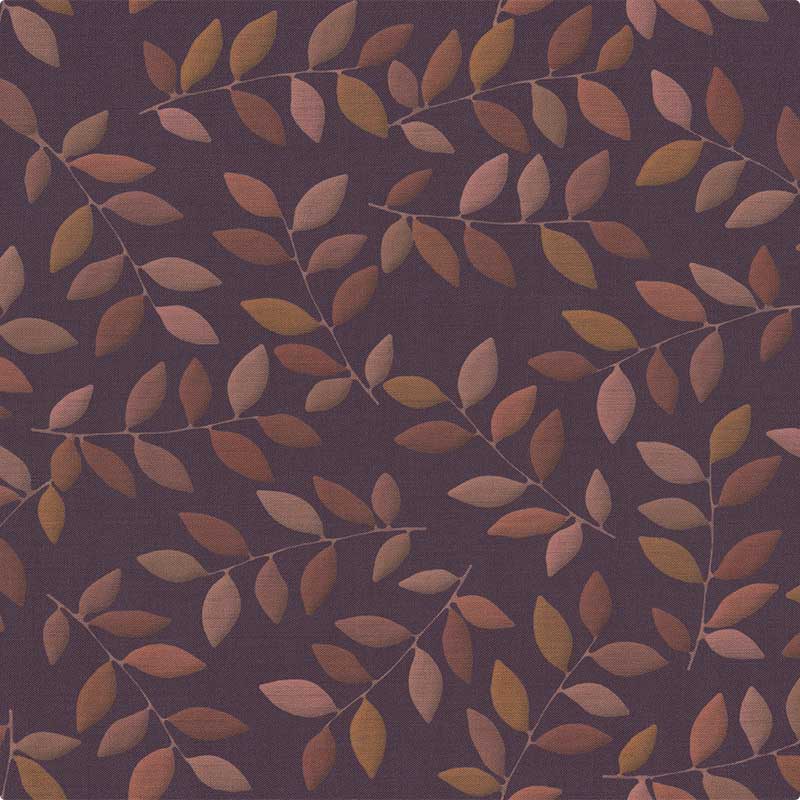
PAVILION
Elderberry
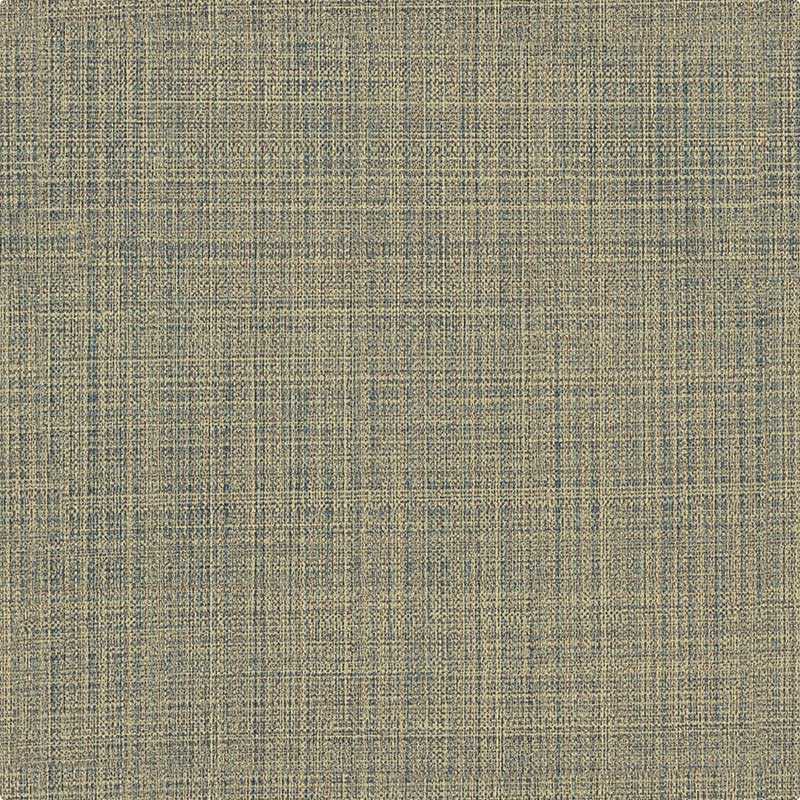
LYRIC
Basil

KINSEY
Majestic
THE ROLE OF PERFORMANCE WOVEN FABRICS IN HEALTHCARE DESIGN
While coated textiles are common in clinical environments, woven upholstery fabrics are frequently used in public-facing healthcare spaces where comfort and aesthetics play a greater role, such as waiting rooms or lobbies.
Advancements in textile technology have made many woven fabrics suitable through features such as:
• Moisture barriers
• Bleach-cleanable finishes
• High abrasion resistance
• Stain protection
These innovations allow designers to incorporate woven upholstery to create a more welcoming, residential feel while still meeting the performance expectations of healthcare facilities.

NIMBLE
Jade
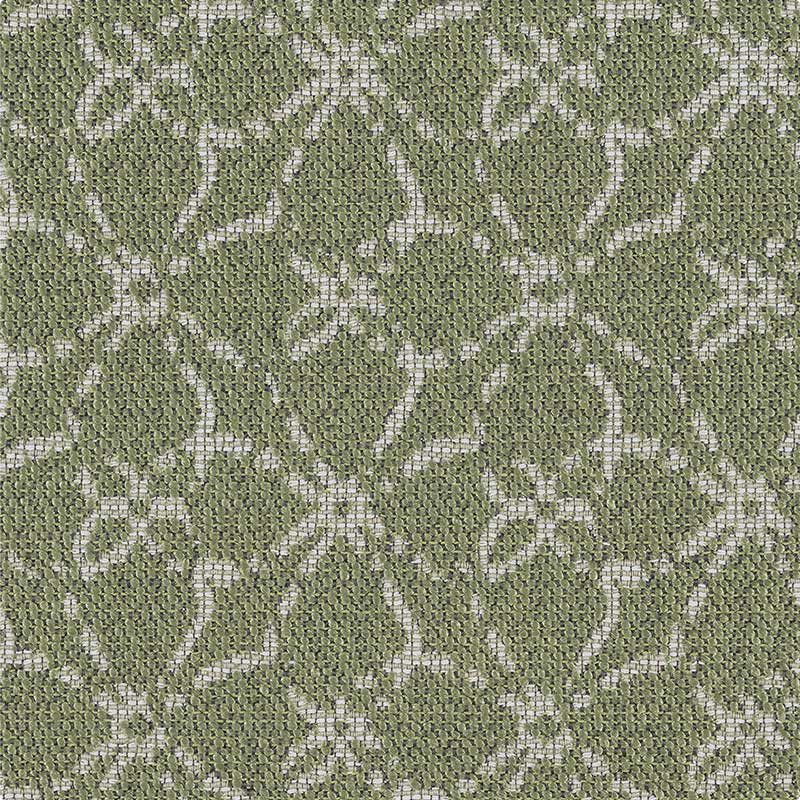
HARPER
Bamboo
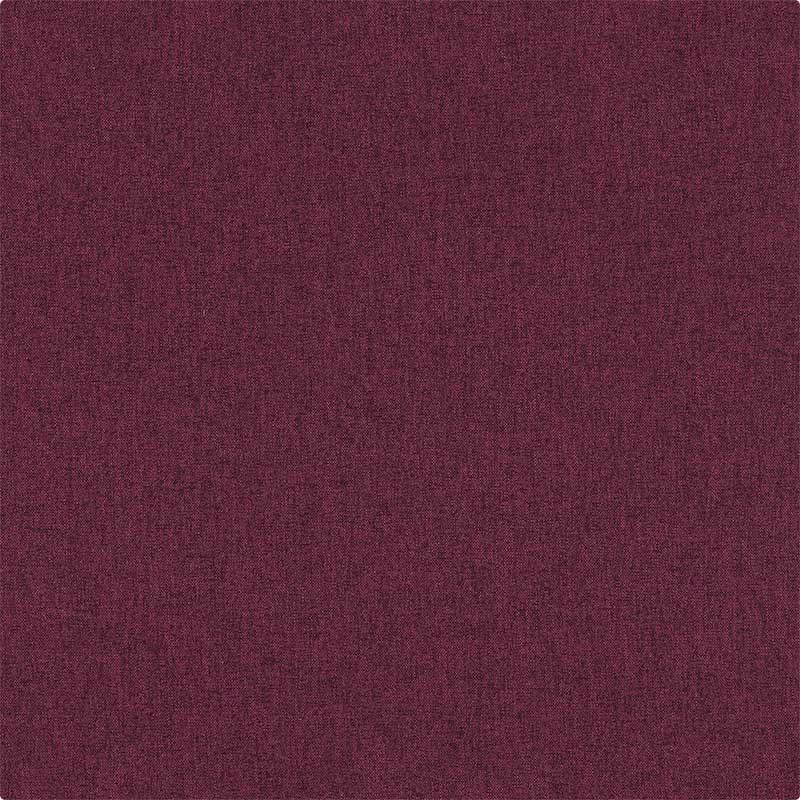
GATSBY
Plum
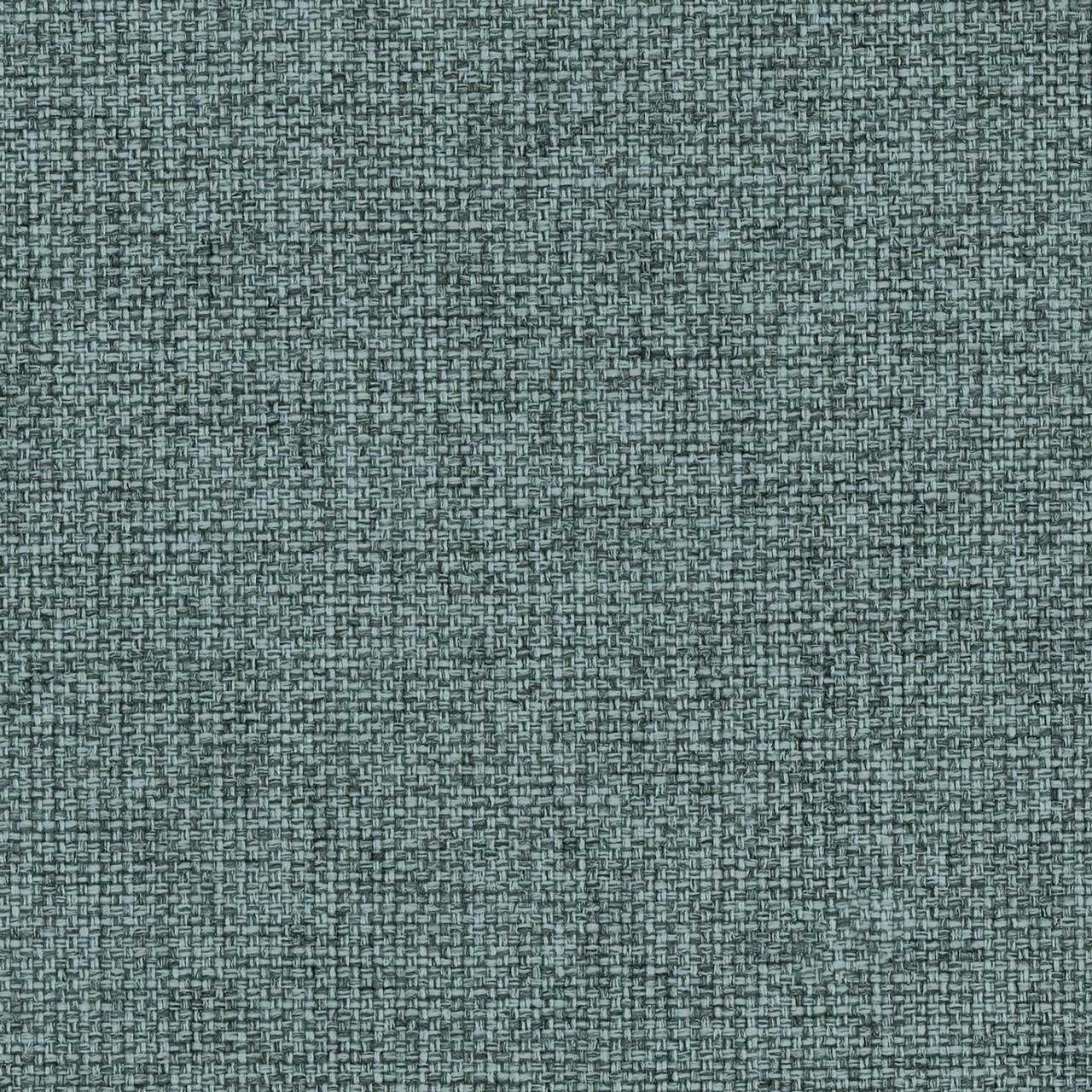
LEGACY
Dew
CLEANABILITY CONSIDERATIONS FOR HEALTHCARE UPHOLSTERY
One of the most important factors when selecting healthcare upholstery is cleanability.
Medical facilities often rely on disinfectants to maintain infection control standards. Because coated upholstery has a sealed surface, it can typically be wiped down quickly and consistently.
Performance woven fabrics can also meet healthcare requirements when engineered with fluid barriers and protective finishes like Crypton® and Supreen®, helping prevent liquids from reaching the foam beneath the upholstery.
Ultimately, selecting the right textile means understanding the facility’s cleaning protocols and choosing materials designed to withstand them. At Mayer Fabrics, we prioritize textile quality and understand the importance of proper cleaning protocols. Our enhanced search features help designers identify products based on specific cleaning requirements.

CARESSA
Aubergine

UTOPIA
Sprout

RHYTHM
Eggplant
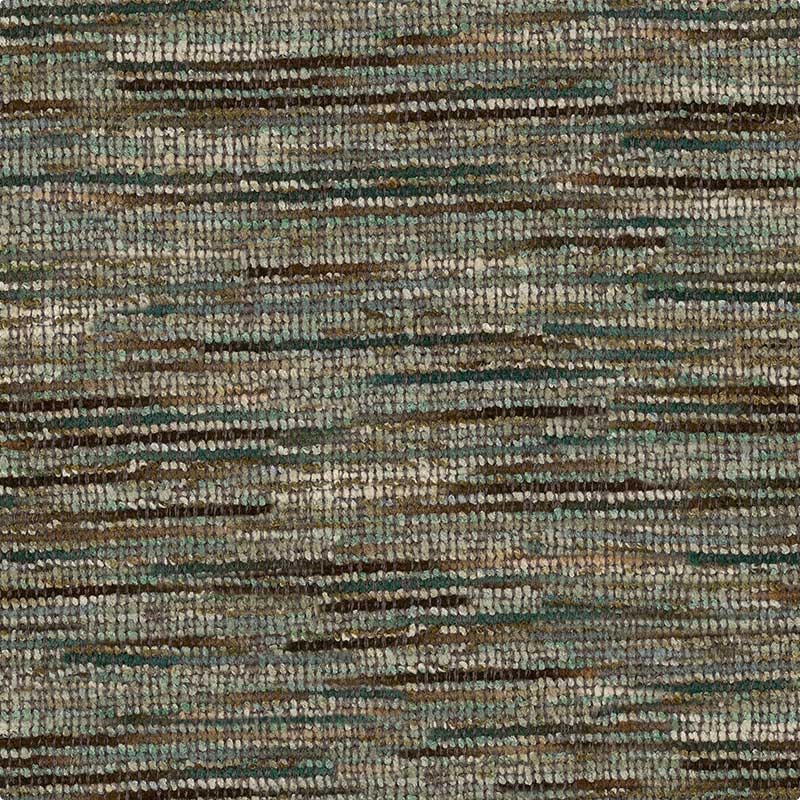
CURATOR
Spearmint
PERFORMANCE DOESN’T HAVE TO LOOK CLINICAL
In healthcare spaces, performance and aesthetics combine to create an environment where individuals feel comfortable. In today’s age, designers use textures for sensory relief and color schemes such as blues and greens to reflect nature’s serenity and create a calming atmosphere for patients.
Historically, coated upholstery in healthcare settings was associated with glossy finishes and limited color options, but these fabrics have evolved significantly in our changing design landscape.
Many coated upholstery options now feature:
• Matte finishes
• Textured or patterned designs
• Expanded color palettes
These innovations allow designers to create healthcare environments that feel warm, modern, and hospitality-inspired, rather than purely clinical.

NOOK
Seafoam
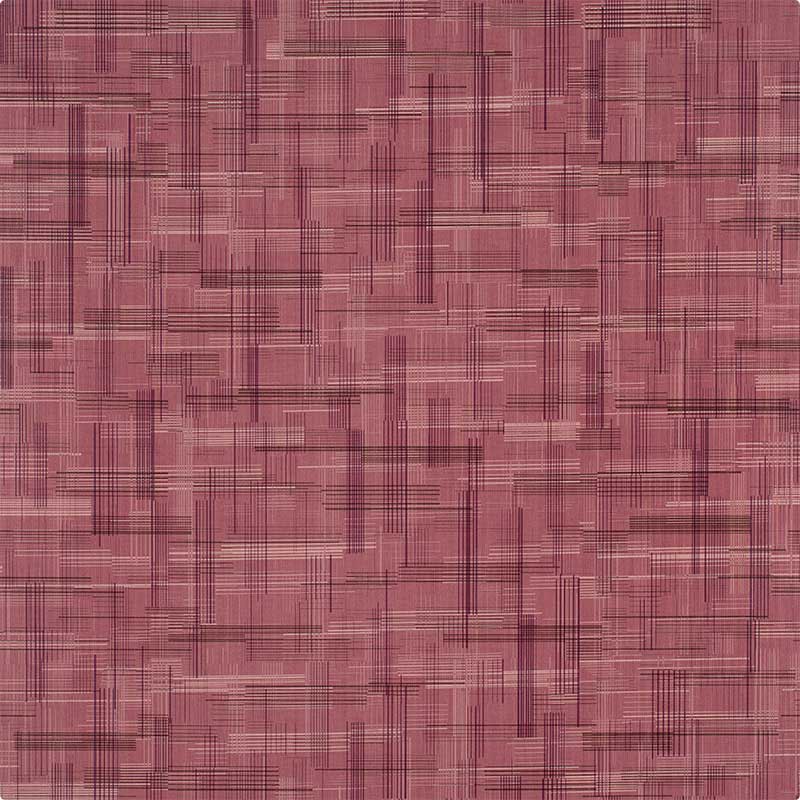
BALANCE
Pinot
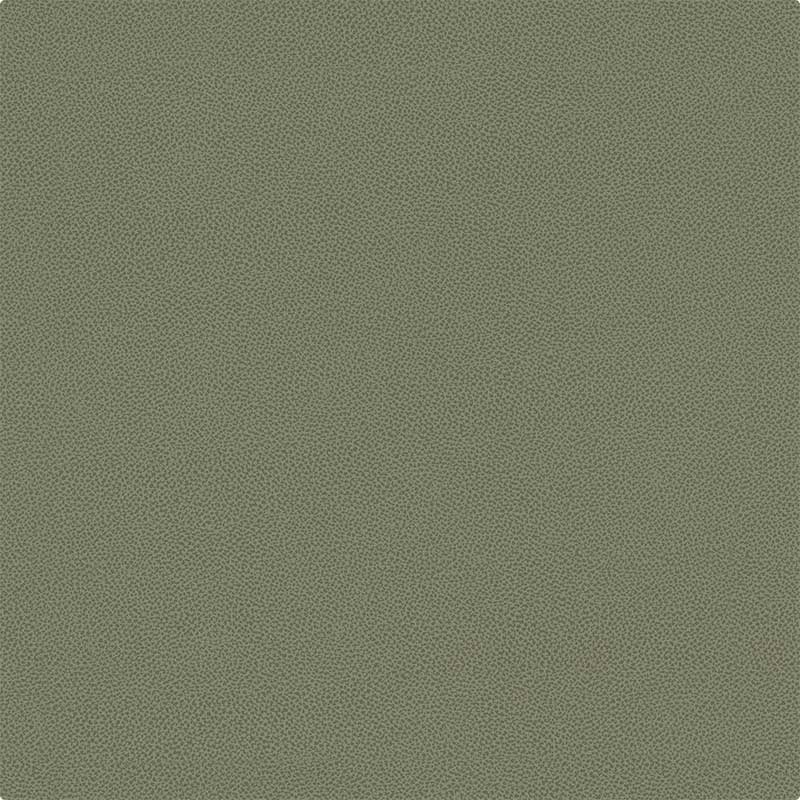
LUDLOW
Willow
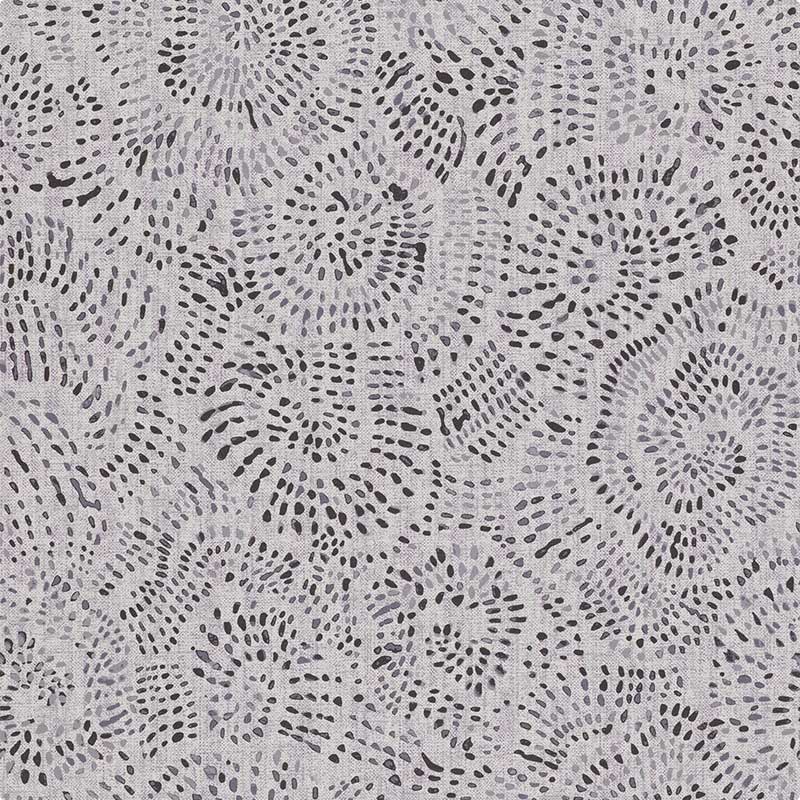
UNIVERSE
Orchid
Selecting upholstery for healthcare environments isn’t about choosing between coated or woven fabrics but about understanding how each material can support different areas within a facility. When used thoughtfully together, these materials help create healthcare environments that are both highly functional and welcoming.
At Mayer Fabrics, our healthcare upholstery collections include durable, high-performance coated and woven textiles engineered to meet the demands of healthcare interiors, allowing designers to specify materials that deliver on performance, aesthetics, and long-term value.
Explore our healthcare fabric patterns to find textiles designed for cleanability, durability, and enhanced design in medical environments. Our product search feature helps you easily narrow down products that best suit your project. Just go to the left menu on our ‘Products’ page and select your desired specifications.