
From Scroll to Swatch: Where Commercial Designers Find Inspiration
August, 20 2026 | 6 min read
Inspiration is everywhere, but the way designers find, assemble, and develop it is constantly evolving.
A color scheme saved on Pinterest may lead to an architectural project discovered through Instagram. A textile seen at a trade show may recall the texture of a landscape experienced while traveling. A magazine feature, a runway collection, a restaurant interior, or a walk through a familiar neighborhood can each become the starting point for a complete material story.
We recently asked our Mayer Fabrics’ LinkedIn community where they most often find design inspiration. 47% selected social media platforms, while 40% said they found inspiration by getting out and exploring the world around them, and 13% selected “other”.
Although this small poll represents only a snapshot of our audience, it reflects how today’s creative process moves between digital discovery and physical experience.
The Scroll Has Become the Search
Social media was once primarily a place to share completed projects. Today, it has become a powerful search and discovery tool throughout the design process.
Pinterest, Instagram, and other visual platforms allow designers to explore highly specific ideas, from moody hospitality palettes and nature-inspired healthcare interiors to dimensional upholstery textures and unexpected pattern combinations. Short-form videos offer project walkthroughs, showroom tours, material close-ups, and behind-the-scenes views into how spaces and products are developed.
LinkedIn serves a different but equally valuable role. While visual platforms usually provide the initial spark, LinkedIn creates space for more in-depth conversations about the ideas that define the industry. Designers, manufacturers, researchers, and organizations can exchange perspectives regarding emerging trends, evolving design practices, sustainability, material health, accessibility, workplace strategy, and the changing needs of commercial environments.
Articles, case studies, panel discussions, project recaps, and conversations in the comments help designers examine not only what is attracting attention, but why it matters. A post about a textile collection may result in a broader discussion about responsible sourcing, durability, sensory comfort, or the influence of fashion on commercial interiors.
Pinterest’s Renewed Role in the Design Process
Pinterest has taken on renewed importance as designers increasingly use visual search tools to explore ideas, assemble mood boards, and shape creative direction.
Unlike platforms centered primarily on conversation or entertainment, Pinterest is designed around planning. Users search, save, organize, and return to ideas as a project develops, which closely resembles the way designers build color palettes, storyboards, and material schemes.
That openness is especially valuable during the early stages of an interiors project. Designers do not always begin with a specific manufacturer, textile, or even the terminology needed to describe their vision. A search may start with a vague concept, such as a restorative healthcare palette, a warm modern workplace, a tailored hospitality interior, or colorful performance upholstery. Visual results can then give language and form an idea that may have previously existed only as a feeling.
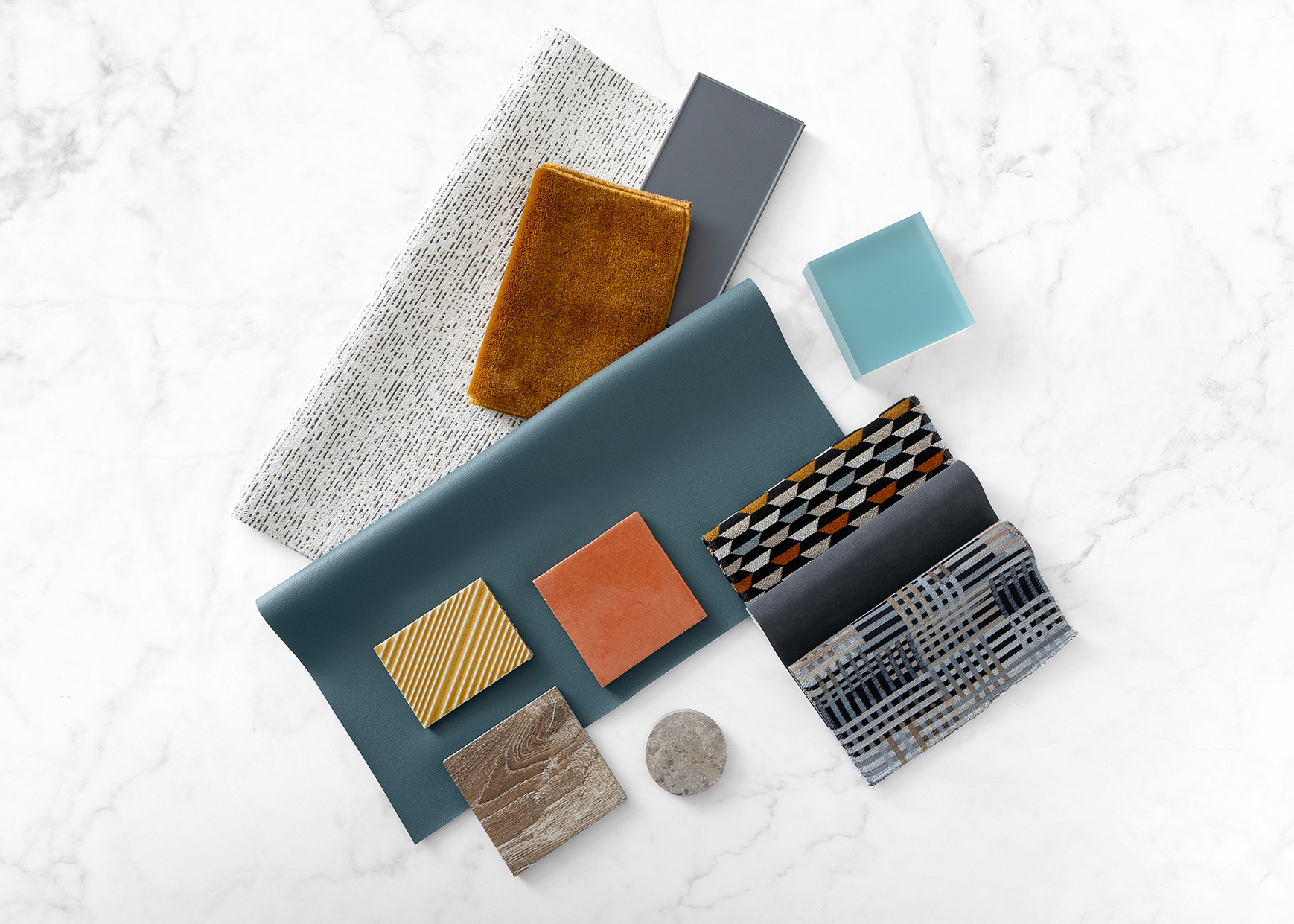
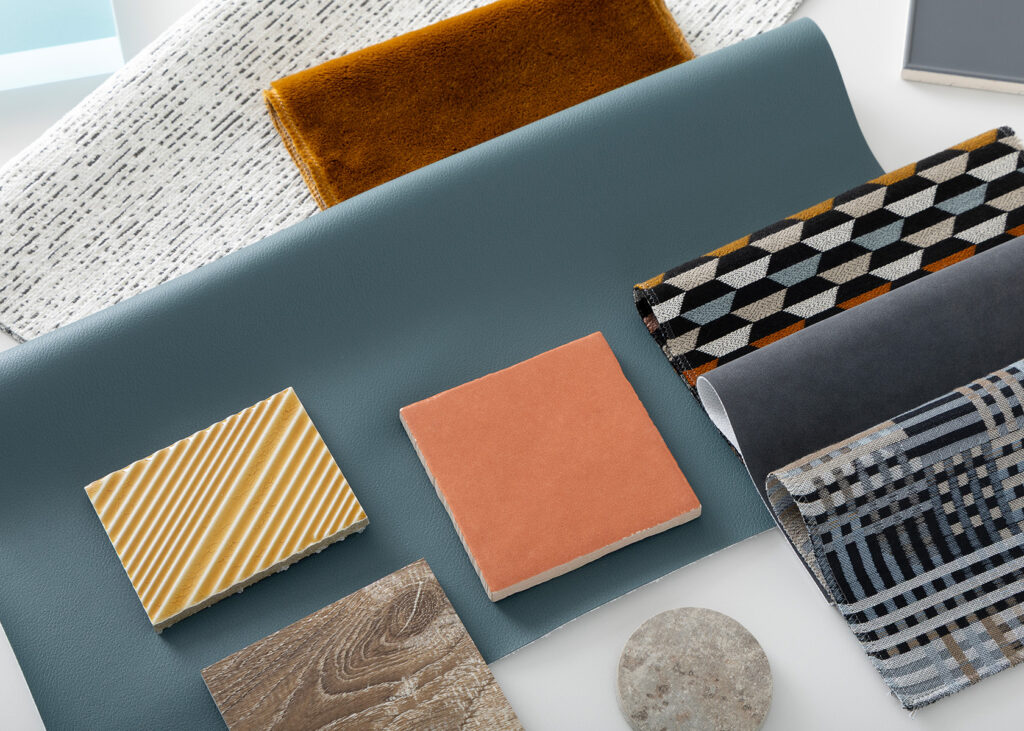
Tiled swatches have been an especially valuable format. A designer beginning a search may not know which brand, pattern, or textile construction will best support a project. Presenting multiple colorways together allows them to quickly compare patterns, textures, scales, and palettes, then save the Pin to revisit as the concept develops.
For Mayer Fabrics, Pinterest is more than a place to display finished products. It connects early creative exploration with textile discovery, collection themes, educational resources, sampling, and specification.
Publications Add Meaning to the Image
A designer may discover a story from Design Milk, Metropolis, Interior Design, or Hospitality Design through a printed issue, email newsletter, social post, LinkedIn article, or search result. The experience may begin on a screen, but its value still comes from thoughtful editorial curation.
Publications offer something that fast-moving social feeds often cannot: greater context.
A project feature can explain how a designer responded to a client’s needs, why a palette was chosen, or how materials add to the emotional experience of a space. Trend reporting can connect individual products to movements in fashion, culture, technology, wellness, and sustainability. Rather than presenting an image in isolation, editorial content reveals the ideas and decisions behind it.
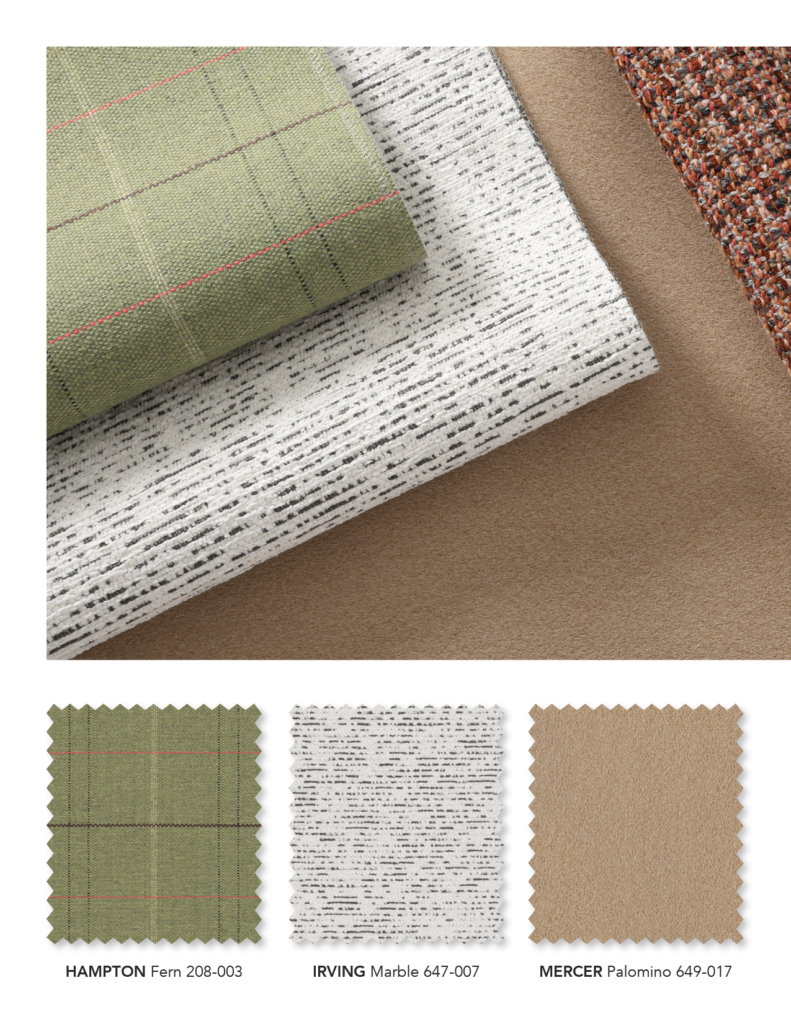
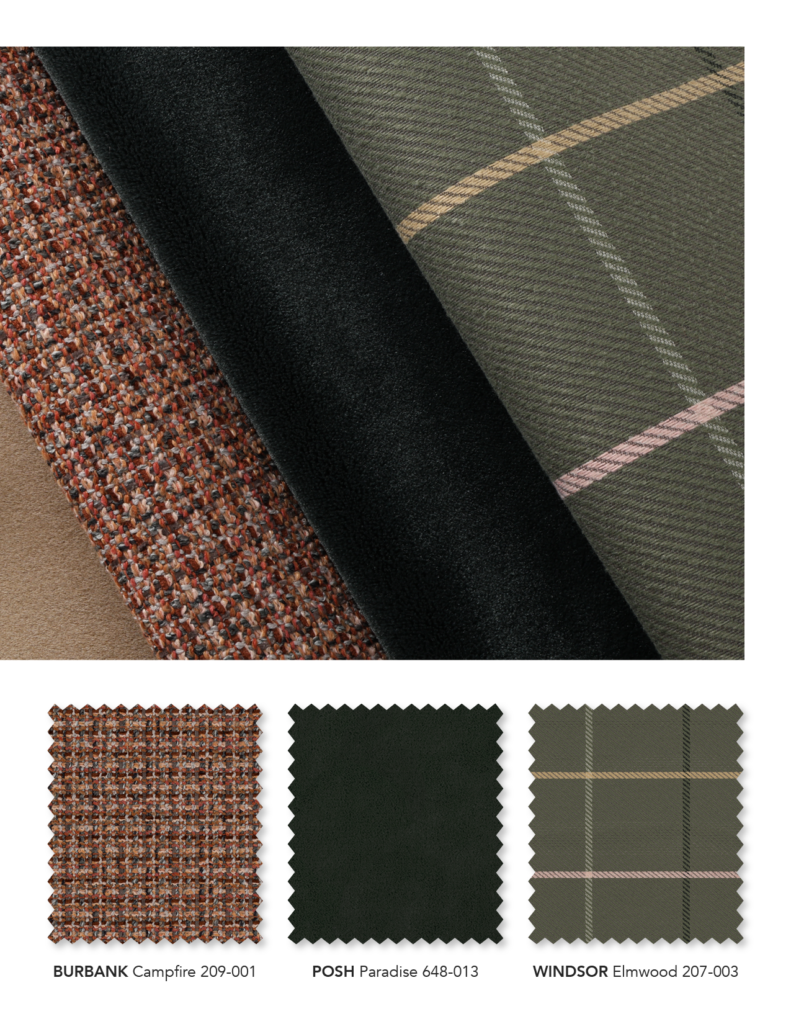
Manufacturer-created resources can provide similar depth while connecting inspiration more directly to product selection. Mayer Fabrics’ digital flipbooks, available through our website, expand on each collection launch through pattern stories, complete color ranges, curated mood board schemes, performance and cleanability information, and coordinating ideas.
Together, publications and digital flipbooks allow designers to move beyond the image and better understand a collection story, palette, performance, and potential uses.
Inspiration Beyond the Algorithm
The 40% of poll respondents who selected “out and about” reveal another important part of the creative process: some of the most memorable inspiration appears when no one is actively searching for it.
The relationship between a building and its landscape may inspire a color palette. Historic tilework might suggest a geometric repeat. The changing colors of a garden could influence a healthcare scheme, while the tailoring of a garment may inspire a refined plaid, tweed, or velvet.
Restaurants, hotels, museums, retail environments, fashion, architecture, nature, and travel all offer opportunities to experience color and material in context.
Unlike an image on a screen, these experiences engage more than sight. Designers can observe scale, movement, light, sound, temperature, and texture. They can see how colors shift throughout the day and how materials add to a space’s overall atmosphere.
Inspiration found in the physical world also carries memories and emotional associations. Those connections can become the foundation of a design story that communicates not only how a space should look, but how it should feel.
When Inspiration Becomes Tactile
Digital tools have made it easier for designers to discover products, compare options, and organize ideas throughout the design process. Traditional material libraries and physical samples remain equally valuable, helping designers experience the color, scale, texture, and hand of a textile firsthand.
Mayer Fabrics products can be explored through our textile binders and digital resources. Memo samples can also be ordered through our partners, My Resource Library (MRL) and Mercato Place, making it easier to move from initial discovery to material evaluation. Our products are also available within CET, providing another way for designers to incorporate our textiles into their digital design workflow.
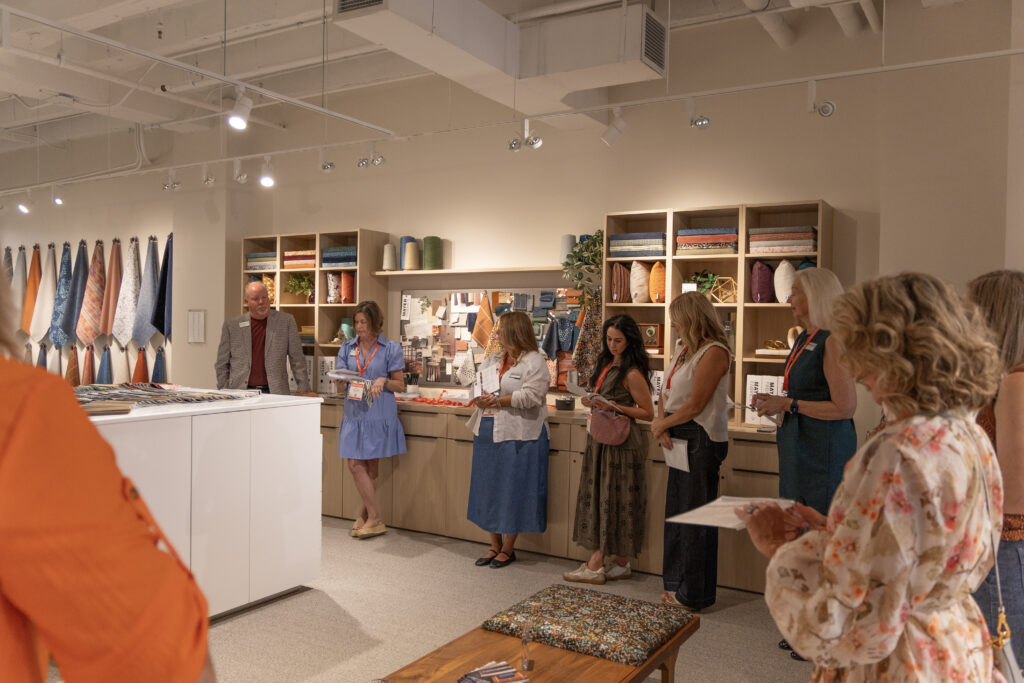
Showrooms and trade shows add another dimension by placing materials within complete, immersive settings. Designers can see textiles applied to furniture, discover unexpected pattern and color combinations, attend educational sessions, and explore wider industry movements. Conversations with manufacturers and representatives also give insight into construction, performance, cleanability, environmental attributes, and recommended applications.
One of our favorite places to bring these pieces together is the Mayer Fabrics showroom at THE MART in Chicago. During NeoCon, the showroom becomes an immersive destination where textiles are presented through complete color, pattern, and material stories. The space is also available by appointment beyond the show, while a virtual tour allows designers to explore it from wherever they are.
The most memorable showroom and trade show environments do more than display products. They communicate a focused point of view, whether the story explores expressive color, fashion’s influence on upholstery, the desire for greater tactility, or the role performance materials play in comfort and well-being.
A designer may begin with a digital mood board, browse textiles via MRL, request samples via Mercato Place, and later experience those products in a showroom. Together, these resources make it easier to move from discovery and evaluation to confident material selection.
A New Layer of Digital Ideation
Artificial intelligence is also beginning to influence how designers collect and explore ideas.
AI tools can help generate early concepts, organize visual references, test color directions, and quickly visualize different combinations. However, generated imagery cannot verify whether a textile’s color is accurate, how its scale will feel on furniture, or whether it will meet the performance needs of a commercial environment.
Physical samples, reliable product information, manufacturer expertise, and professional judgment remain essential to developing a digital concept into a viable interior.
Connecting Inspiration to Specification
Modern design inspiration rarely follows a straight path. A designer may discover a pattern on Instagram, save it to a Pinterest board, read about its larger story in a publication, view it on furniture at a trade show, and compare the physical sample with surrounding finishes.
At Mayer Fabrics, we see these channels as connected parts of the same creative process.
Our social platforms deliver visual discovery through color stories, material close-ups, application imagery, and project inspiration. Our blog and digital flipbooks explore the influences, stories, and performance elements behind our textiles. MRL, Mercato Place, trade shows, and our Chicago showroom help designers evaluate products and move closer to specifications.
Whether the first spark comes from a social feed, a publication, a showroom, a runway, or outside your window, there is no single right place to begin.